Understanding Gramercy Park’s Co-Ops And Condos
May 28, 2026
May 28, 2026
Wondering why two homes in Gramercy can have the same neighborhood label but feel like completely different buying experiences? That is one of the biggest surprises for buyers here. If you are trying to understand whether a Gramercy co-op or condo is the better fit, the answer usually comes down to building type, monthly costs, ownership rules, and how close you want to be to the park itself. Let’s dive in.
Gramercy’s identity is closely tied to its private square. The neighborhood grew around Gramercy Park, and access to the park has long been limited to surrounding lot holders and key holders, which still shapes how buyers think about the area today.
That history also explains why the housing stock feels so layered and distinctive. The historic district includes a mix of mid-19th-century architecture and later apartment houses, with Greek Revival, Anglo-Italianate, Gothic Revival, brownstone, and brick buildings all contributing to the neighborhood’s character.
When buyers say they want to live in Gramercy, it helps to get more specific. A home on the park perimeter, a side street off Irving Place, and a newer building closer to Third Avenue can all offer very different living experiences.
The blocks surrounding the park tend to have the most classic, old-world feel. Farther east and farther from the park, the housing mix broadens to include larger apartment buildings, post-war and midcentury options, and newer development with more contemporary layouts.
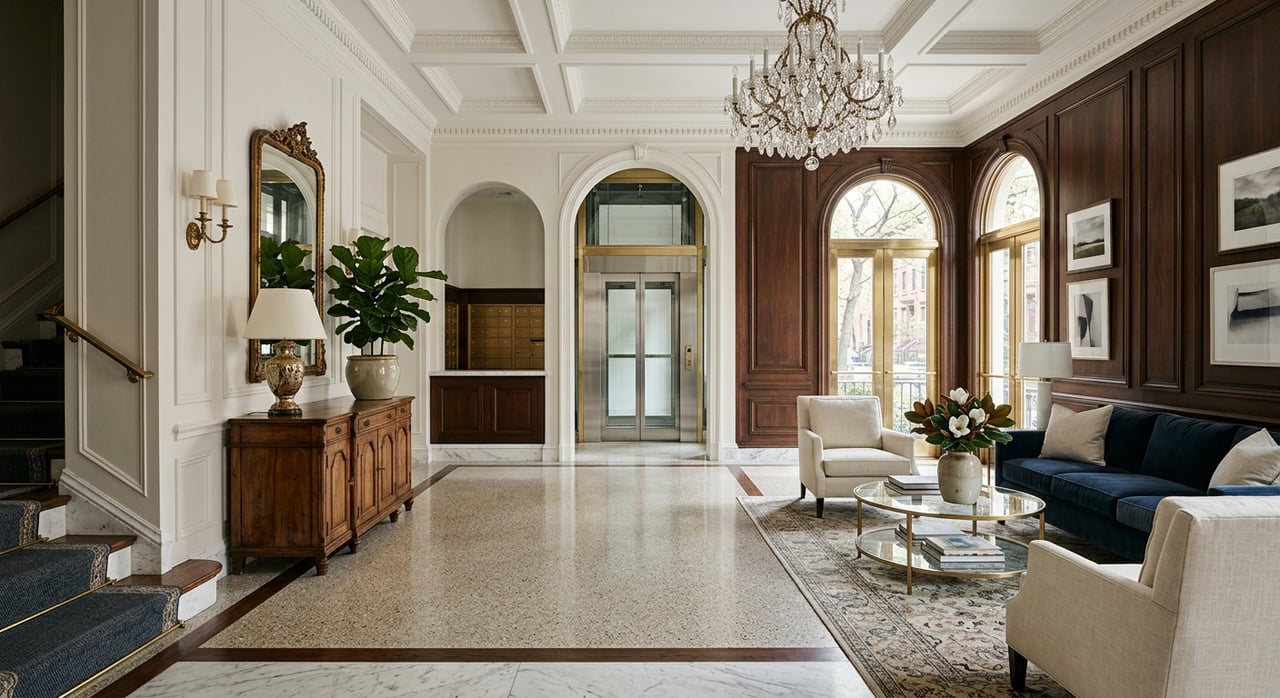
If you picture traditional Gramercy living, you are probably picturing a co-op. The immediate park perimeter is where that identity is strongest, with many of the most sought-after residences in prewar, full-service buildings that emphasize character, privacy, and permanence.
These homes often appeal to buyers who want architectural detail and a more intimate residential feel. In many cases, the draw is less about oversized amenity packages and more about things like original moldings, fireplaces, elegant facades, elevator service, and a full-time doorman.
A representative example is 24 Gramercy Park South, a 1909 building that converted to co-op ownership in 1956. It has just 18 units and offers a full-time doorman, elevator, laundry, private wine cellars, and park key access, which gives you a sense of the classic Gramercy co-op profile.
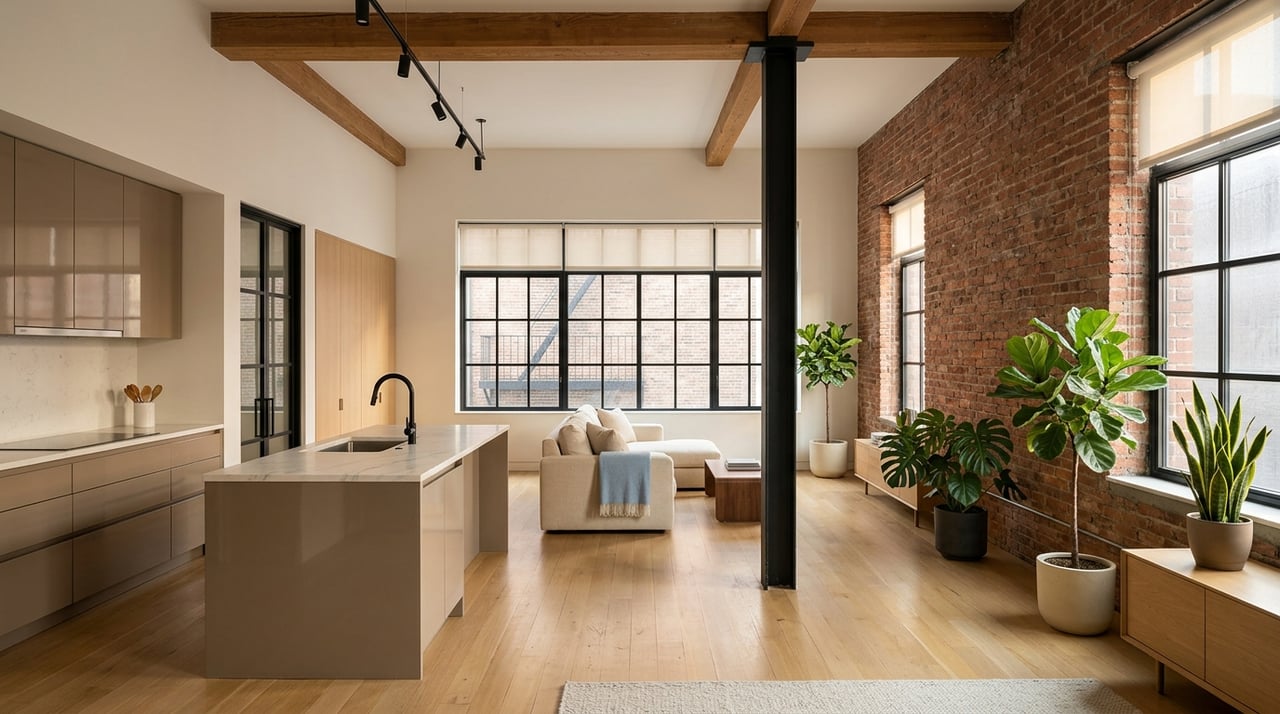
Condos are more common once you move beyond the immediate park edge. In the wider Gramercy area, newer and more recently developed buildings are more likely to offer condo ownership, larger floor plates, and layouts designed for more modern living.
That can be especially appealing if you want newer finishes, simpler ownership structure, or a building with a deeper amenity package. In Gramercy, condos often represent the more contemporary side of the neighborhood’s housing market.
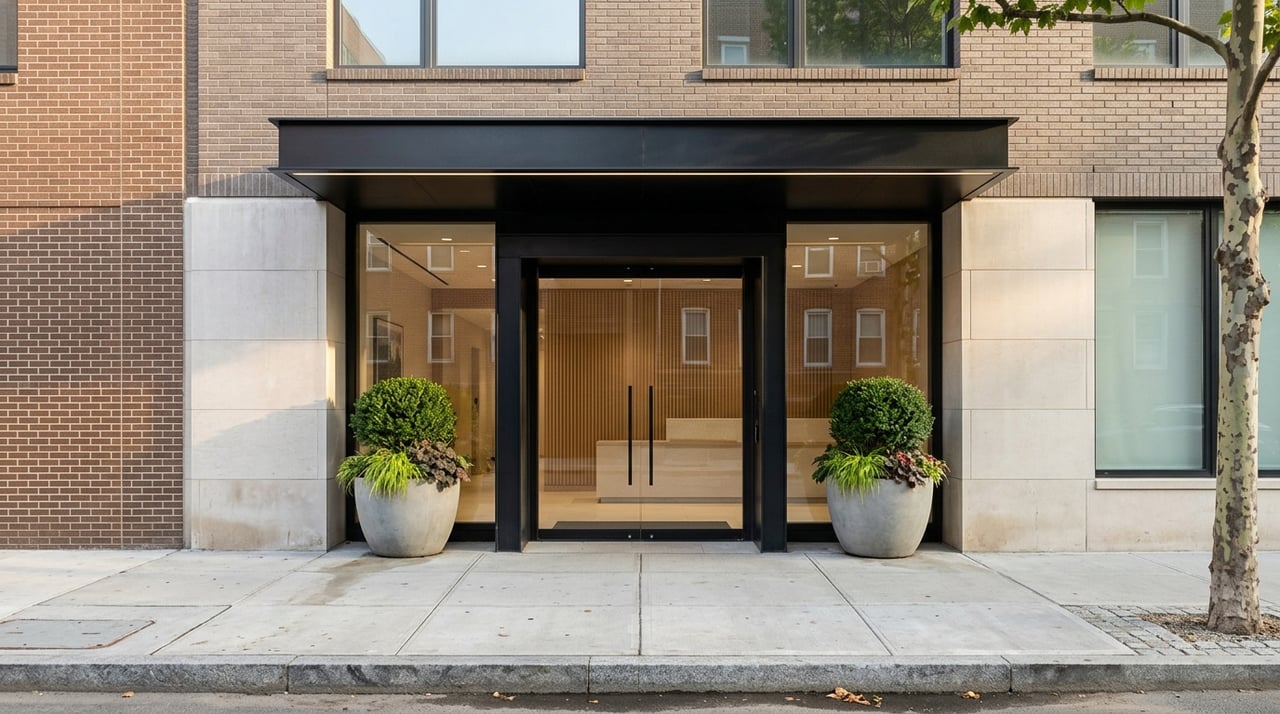
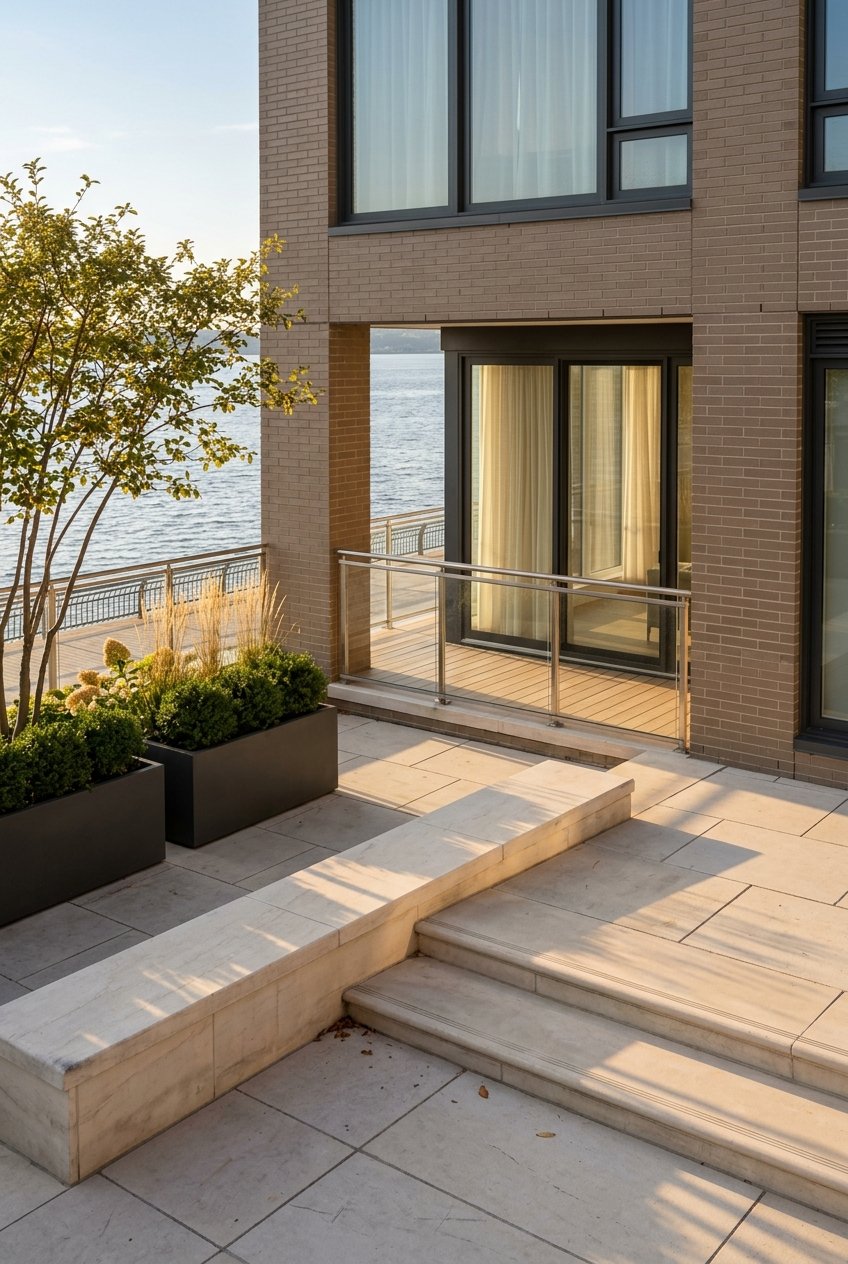
Newer condo projects also tend to offer amenities that older co-ops usually do not. Buildings like Gramercy Square and 200E20TH are known for features such as fitness space, indoor and outdoor amenity areas, lounges, playrooms, and landscaped outdoor spaces, reflecting a very different lifestyle offering from a classic prewar co-op.
Before you compare prices, it helps to understand the legal structure. In a co-op, you buy shares in a corporation that owns the building, and your shares are tied to your apartment.
In a condo, you own the unit itself. That difference affects not just how you own the home, but also how monthly costs are presented and what kind of flexibility a building may allow.
One of the biggest points of confusion for buyers is monthly carrying cost. Co-op owners pay maintenance, while condo owners pay common charges and usually pay property taxes separately.
That means a condo’s monthly number can look lower at first glance, even when the total cost of ownership is not dramatically different. In co-ops, maintenance often covers building upkeep, staffing, insurance, underlying mortgage expense, and property taxes.
As a general rule, Gramercy co-ops often feel more expensive month to month, while condos often feel more expensive upfront. Research cited in the report notes that condos tend to cost about 10% more on average when square footage is considered, while co-op fees tend to be higher.
If you are comparing a co-op and condo in Gramercy, it is important to separate purchase price from overall value. A co-op may offer a lower entry price, but higher monthly costs. A condo may cost more to buy, but the ownership structure and monthly presentation may feel more straightforward.
That does not automatically make one better. The right choice depends on how long you plan to stay, how you think about carrying costs, and whether you value classic character or newer flexibility more.
In Gramercy, micro-location matters. Homes directly on the park, just off the park, or farther east toward Third Avenue may all be marketed under the same neighborhood name, but they can live very differently day to day.
The park perimeter tends to deliver the most iconic Gramercy experience, with a stronger sense of history and scarcity. Nearby side streets can still feel quiet and charming, while areas farther east may offer a more casual streetscape and a broader mix of building styles.
Buyers often assume that park key access should show up clearly in pricing, taxes, or broad market averages. In reality, the picture is more nuanced.
A February 2024 analysis by the New York City Independent Budget Office found no notable differences in market values, assessed values, or property tax per square foot when it compared key-holding co-op buildings with similar nearby co-ops without keys. That is a useful reminder that the value of park access may show up more in lifestyle, rarity, and buyer preference than in a simple line item.
One of the fastest ways to understand a Gramercy building is to look at its amenity package. Older co-ops often focus on service and architectural character rather than large shared spaces.
In those buildings, the appeal may come from staffed entries, elevators, classic lobbies, fireplaces, views, balconies, and original details. Newer condos, by contrast, often compete by offering broader lifestyle amenities like fitness centers, pools, lounges, private dining areas, and landscaped outdoor space.
Neither model is inherently better. It simply comes down to whether you want prewar charm and service or newer-building convenience and amenity depth.
Once you narrow in on co-op versus condo, the next step is understanding the building itself. In Gramercy, that matters just as much as the apartment.
A smart buyer will ask questions like these:
These questions can help you avoid comparing homes that are not truly comparable. In NYC, the building often shapes the ownership experience as much as the apartment itself.
The New York State Attorney General advises buyers to read the full offering plan and review the building’s physical condition carefully. That includes major systems and components such as the roof, facade, elevators, plumbing, and other building infrastructure.
This is especially important in a neighborhood like Gramercy, where many buildings are older and rich in character. Historic charm can be a major asset, but long-term costs still depend on the condition of the building and the quality of its planning and upkeep.
If you are drawn to timeless architecture, a more established feel, and the classic Gramercy address, a co-op may be the right lane for you. If you prefer newer layouts, broader amenities, and a different ownership structure, a condo may make more sense.
The best decision usually starts with your priorities, not just the listing photos. Once you know whether you care most about location, monthly costs, building flexibility, or amenities, the right version of Gramercy becomes much easier to spot.
If you want help comparing Gramercy co-ops and condos with real neighborhood context, local building insight, and a practical eye on value, connect with Ari Meridy.
Stay up to date on the latest real estate trends.
Ari is dedicated to helping you find your dream home and assisting with any selling needs you may have. Your trusted real estate expert. Specializing in an array of properties to meet your needs.