What Living in Williamsburg Waterfront Brooklyn Is Like
May 7, 2026
May 7, 2026
If you picture Williamsburg as all warehouse blocks and late-night energy, the waterfront may surprise you. This part of the neighborhood feels more open, more polished, and more tied to the river than many buyers expect. If you are wondering whether the Williamsburg waterfront fits your lifestyle, here is what daily life really looks like and what makes this stretch of Brooklyn distinct. Let’s dive in.
The Williamsburg waterfront feels intentionally shaped, not accidental. The area was guided by the 2005 Greenpoint-Williamsburg waterfront plan, which called for new housing, public open space, public access to the shoreline, and a transition in building scale from lower-rise edges to taller forms closer to the water.
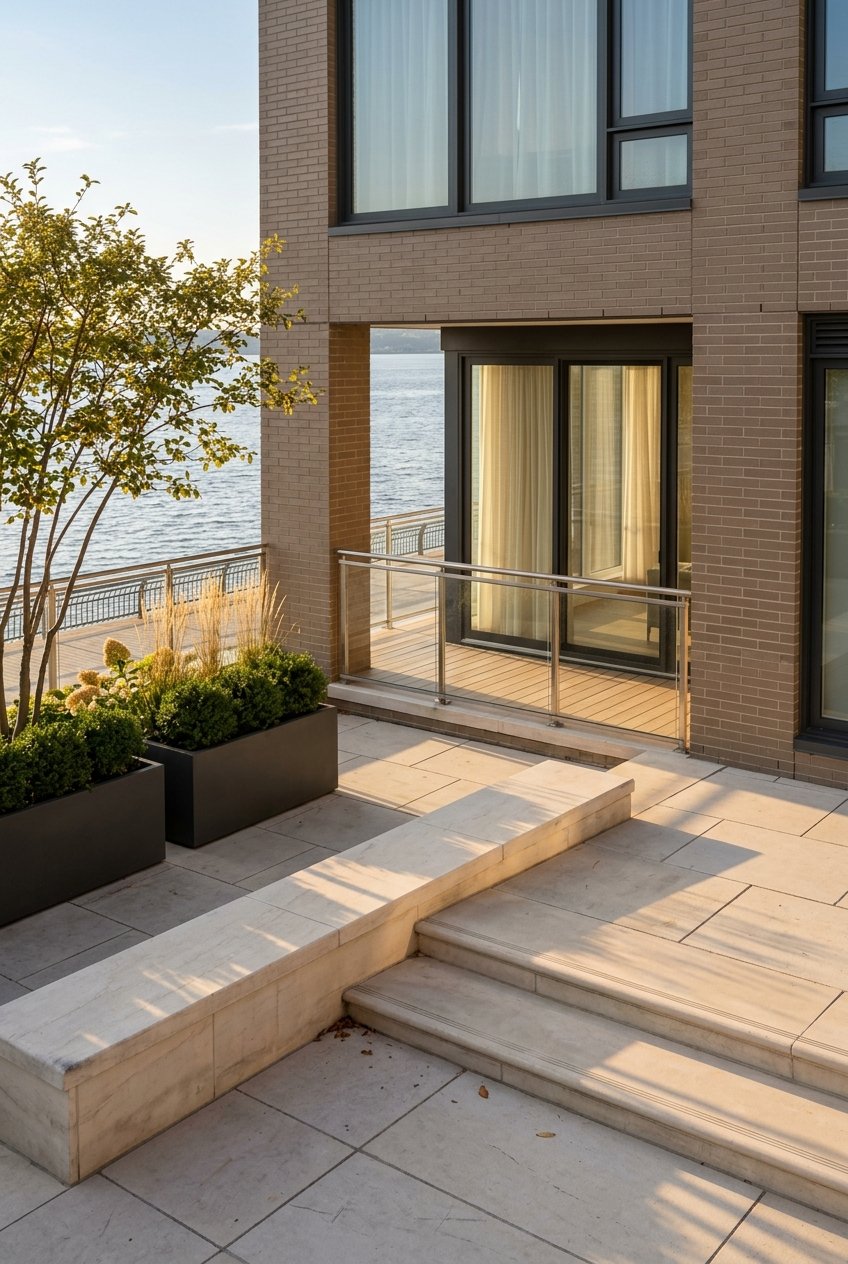
That planning vision still shows up in the experience of the neighborhood today. Instead of a sealed-off river edge, you get promenades, park space, and a shoreline that feels designed for public use. In practical terms, that gives the waterfront a more open and scenic character than many blocks farther inland.
One of the biggest differences is the sense of space. Along the water, views of the East River and the Manhattan skyline create a wider, brighter feeling that can be hard to find elsewhere in Brooklyn.
The streetscape also feels different from interior Williamsburg. The waterfront reads as a sequence of residential buildings, public walkways, and outdoor gathering spots, rather than a tightly packed grid of older buildings and corner storefronts. If you value light, air, and visual openness, this is a major part of the appeal.
Daily life on the waterfront is closely tied to its parks. This is not just a place where you live near the river. It is a place where the river edge becomes part of your routine.
Domino Park is one of the area’s defining public spaces. The 6-acre park is open daily from 6 a.m. to 11 p.m. and includes a waterfront promenade, elevated walkway, playground, dog run, and event spaces.
The setting matters just as much as the amenities. Domino Park sits on the former Domino Sugar Refinery site, so the space blends polished design with preserved industrial elements. That mix gives the waterfront much of its current identity.
Marsha P. Johnson State Park is another major anchor along the shoreline. The park covers seven acres, is free and open to the public, and offers picnic and barbecue areas, native meadow plantings, and broad skyline views.
It also preserves visible reminders of the site’s shipping-dock history, including cobblestone streets and railroad tracks embedded in concrete. If you like neighborhoods that still show traces of their earlier life, this park adds texture that newer developments alone cannot provide.
The waterfront also connects into the larger Brooklyn Waterfront Greenway, a planned 14-mile route linking neighborhoods including Greenpoint, Williamsburg, the Brooklyn Navy Yard, DUMBO, Downtown Brooklyn, Red Hook, and Sunset Park.
For you, that means the shoreline can feel like part of a longer connected corridor rather than a dead end. It supports a more active outdoor routine, whether that means walking, biking, or simply spending more time outside near the water.
The waterfront is not quiet in the same way a tucked-away side street might be. Weekend activity is part of the lifestyle, especially during warmer months.
Smorgasburg identifies Williamsburg as its original waterfront location and runs every weekend from April through October. It draws tens of thousands of visitors each weekend, which means Saturdays and Sundays can feel much busier and more destination-driven than a typical residential block.
For some people, that is part of the charm. You can step into a lively public scene without leaving the neighborhood. For others, it is worth knowing that the area may feel more visitor-oriented on peak weekends than it does on a weekday morning.
Williamsburg as a whole remains one of New York City’s most active dining neighborhoods. The restaurant scene includes a wide range of established spots and newer favorites, and that depth is part of what keeps the neighborhood appealing long term.
Along the waterfront, the dining experience often leans more scenic and destination-oriented. Notable restaurants near the river include Laser Wolf Brooklyn, known for East River views, and Misi within the Domino redevelopment area.
That gives the waterfront a more curated feel when it comes to going out. It is a strong fit if you like the idea of pairing dinner or drinks with skyline views and a polished setting.
Even if you live by the water, your evening routine may still extend beyond the shoreline. Much of Williamsburg’s live music and nightlife energy remains farther inland.
A good example is Music Hall of Williamsburg on North 6th Street, which NYC Tourism describes as a live-music venue with bars on all three floors and bookings every night of the week. In other words, waterfront living gives you a calmer home base, but many of the neighborhood’s after-dark habits still happen a few blocks away from the river.
From a housing perspective, the waterfront has a very different look from interior Williamsburg. The planning framework encouraged a range of building forms, with taller structures closer to the water, and that has helped shape the area into a more contemporary residential zone.
If you compare the waterfront to older blocks inland, you will usually notice larger buildings, newer construction, and a more intentionally designed feel. The housing stock often reads as view-oriented and amenity-driven, rather than deeply tied to the older street fabric.
A current example is 420 Kent Avenue, which describes itself as three glass towers with 857 residences, extensive outdoor space, and a 400-foot landscaped riverside esplanade. It reflects the kind of new-construction product that strongly defines the waterfront today.
Even with all the newer development, the waterfront does not feel completely disconnected from Williamsburg’s past. Many of the most memorable public spaces preserve elements of the area’s industrial history.
You see that in Domino Park’s refinery setting and in the preserved shipping-era remnants at Marsha P. Johnson State Park. As a result, the waterfront often feels like a blend of old and new, rather than a blank-slate luxury district.
That balance is part of what makes the area compelling. You get modern residential living and public space, but with visual reminders of the neighborhood’s industrial roots still in view.
Transit is one of the most practical parts of choosing where to live on the waterfront. Your exact block can make a meaningful difference in how you commute.
The NYC Ferry is one of the waterfront’s most appealing conveniences. The East River route serves North Williamsburg and South Williamsburg on split A and B branches during weekday peak periods and non-winter weekends, with connections to Wall Street/Pier 11 and East 34th Street. The listed approximate total travel time is 31 minutes.
For many residents, the ferry is less about speed alone and more about experience. It offers a scenic, pleasant alternative, though it is still schedule-dependent.
Subway access varies depending on where you live. On the northern side of the neighborhood, the L line serves Bedford Avenue and Lorimer Street. On the southern side, the J, M, and Z trains serve Marcy Avenue, which the MTA notes is an elevated, ADA-accessible station.
For south Williamsburg commuters, weekday J and Z express patterns between Myrtle Avenue and Marcy Avenue can affect travel times into Manhattan. If you are choosing between buildings, this is one of those details that can influence convenience more than a map first suggests.
The simplest way to think about it is this: the waterfront is Williamsburg’s polished, view-rich edge. Interior Williamsburg generally feels more street-level, more mixed in scale, and more embedded in the neighborhood’s older urban fabric.
That does not make one better than the other. It just means they serve different preferences. If you want newer buildings, direct park access, skyline views, and a shoreline routine, the waterfront may be the better match. If you prefer a more traditional block-by-block neighborhood feel, inland Williamsburg may feel more natural.
The Williamsburg waterfront often appeals to buyers and renters who want a modern lifestyle with strong visual appeal. It can be especially attractive if you value:
It may be less ideal if you want a quieter, more tucked-in residential feel every weekend. The waterfront has energy, and part of that energy comes from being a destination for both locals and visitors.
Living along the Williamsburg waterfront means choosing a version of Brooklyn that feels open, planned, and closely connected to the river. You get public parks, skyline views, newer housing, and a daily rhythm shaped by outdoor space and destination activity.
For many buyers, that combination is exactly the point. If you are trying to decide whether the waterfront or inland Williamsburg is the better fit, the right answer usually comes down to how you want your home life to feel day to day. If you want help narrowing down the right block, building, or buying strategy in Williamsburg, connect with Ari Meridy.
Stay up to date on the latest real estate trends.
Ari is dedicated to helping you find your dream home and assisting with any selling needs you may have. Your trusted real estate expert. Specializing in an array of properties to meet your needs.